

A facelift can restore youthful facial definition and confidence, but achieving the best possible outcome begins well before the day of surgery. Patients in Freehold, NJ and Monroe, NJ often want to know exactly how to prepare for a facelift in a safe, thoughtful, and realistic way. With specialized training in Otolaryngology – Head and Neck Surgery and a focus on natural, refined results, Dr. Anni Wong guides patients through each step of facelift preparation so they feel informed, organized, and ready for the experience ahead.
Key Things to Know Before Your Facelift
- Preparing early improves comfort and confidence throughout the facelift journey.
- Stopping smoking in advance supports healthy healing and reduces complications.
- Planning your home, schedule, and support system makes recovery smoother.
- Following your surgeon’s instructions helps protect your results.
- A customized preparation plan leads to safer surgery and better outcomes.
Why Facelift Preparation Matters
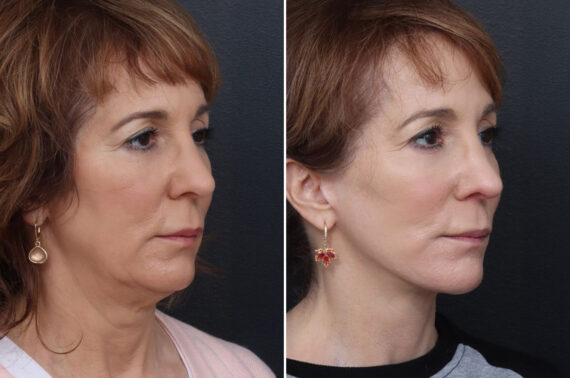
Every facelift begins with careful planning. The facelift procedure lifts and repositions deeper facial tissues to correct sagging, soften creases, and refine jawline definition. Because surgery works beneath the surface of the skin, your overall health, habits, and preparation heavily influence healing time, safety, and final results.
Dr. Wong takes a comprehensive approach during the initial consultation. She reviews medical history, examines facial anatomy and skin quality, and discusses goals to determine whether a mini lift, SMAS lift, or deeper technique such as a deep plane facelift will provide the best outcome. This medical evaluation allows her to personalize every pre-operative step so you know exactly how to prepare for a facelift in a realistic, effective way.
Understanding the Facelift Procedure Before You Begin
Patients often feel more confident and comfortable when they know what to expect. During consultation, Dr. Wong explains incision placement, tissue repositioning techniques, and the differences between options such as SMAS elevation or a deep plane approach. She also reviews the healing process and anticipated recovery timeline so you understand how your face and body will respond after surgery.
Becoming familiar with the surgical procedure helps reduce anxiety and ensures your expectations match the natural results facelift surgery can achieve.
Preparing Your Body and Health for Surgery
Healthy Habits That Support Healing
Your body needs a strong foundation to recover efficiently. In the weeks leading up to surgery:
- Maintain a nutritious diet with adequate hydration
- Get consistent sleep to support immunity and tissue repair
- Limit sun exposure to protect the skin before surgery
- Stay active with light exercise to maintain circulation
- Avoid smoking and minimize alcohol for at least two weeks before and after surgery to support healthy healing
Healthy habits strengthen your skin, help control inflammation, and support smoother recovery.
Medication and Supplement Adjustments
Before facelift surgery, Dr. Wong reviews all medications and supplements to identify anything that increases bleeding or interferes with anesthesia. You will receive detailed instructions about what to pause and when to resume each item. Following these pre-operative instructions closely improves safety during surgery and promotes healthy healing afterward.
Trust your transformation to a skilled facial plastic surgeon
Schedule a consultation with Dr. Anni Wong in Monroe Township or Freehold.
Practical Steps to Prepare Your Home

Setting Up a Supportive Recovery Space
Planning your environment in advance helps ensure a calmer recovery period. Before surgery, arrange:
- A comfortable resting area where your head can remain elevated
- Soft foods and hydration essentials
- Ice or cold compresses approved by your surgeon
- Clothing that buttons or zips to avoid pulling over the face
These simple steps allow you to focus on rest during the healing process without unnecessary strain.
Planning Help for the First Few Days
Someone must drive you home after your facelift and remain with you for the first 24 hours. Many patients in Freehold and Monroe also choose to have additional help for tasks such as meals, light household duties, or caring for children or pets. A well-planned support system reduces stress and contributes to smoother recovery.
How to Prepare Emotionally and Logistically
Setting Realistic Expectations About Time
While many patients return to work within two to three weeks, the full healing process develops gradually. Swelling improves steadily but can continue shifting in subtle ways for several months. Understanding this timeline helps you plan time away from work, social events, and strenuous activities realistically.
Managing Work and Social Commitments
If you prefer privacy, consider scheduling your facelift before a natural break such as a long weekend or holiday period. Proper planning gives you the time needed for early healing so that you reappear feeling rested and confident.
Following Your Surgeon’s Instructions for the Best Results
In every stage of facelift preparation, attentive communication with your surgical team matters. Dr. Wong provides individualized guidance for the days leading up to surgery, the morning of the procedure, and the early recovery period. These instructions help minimize swelling, protect incision sites, and ensure your final results develop as intended.
Patients who follow their care instructions—especially avoiding smoking, protecting the skin from sun exposure, managing medication safely, and attending follow-up visits—have a more predictable healing process and longer-lasting facelift results.